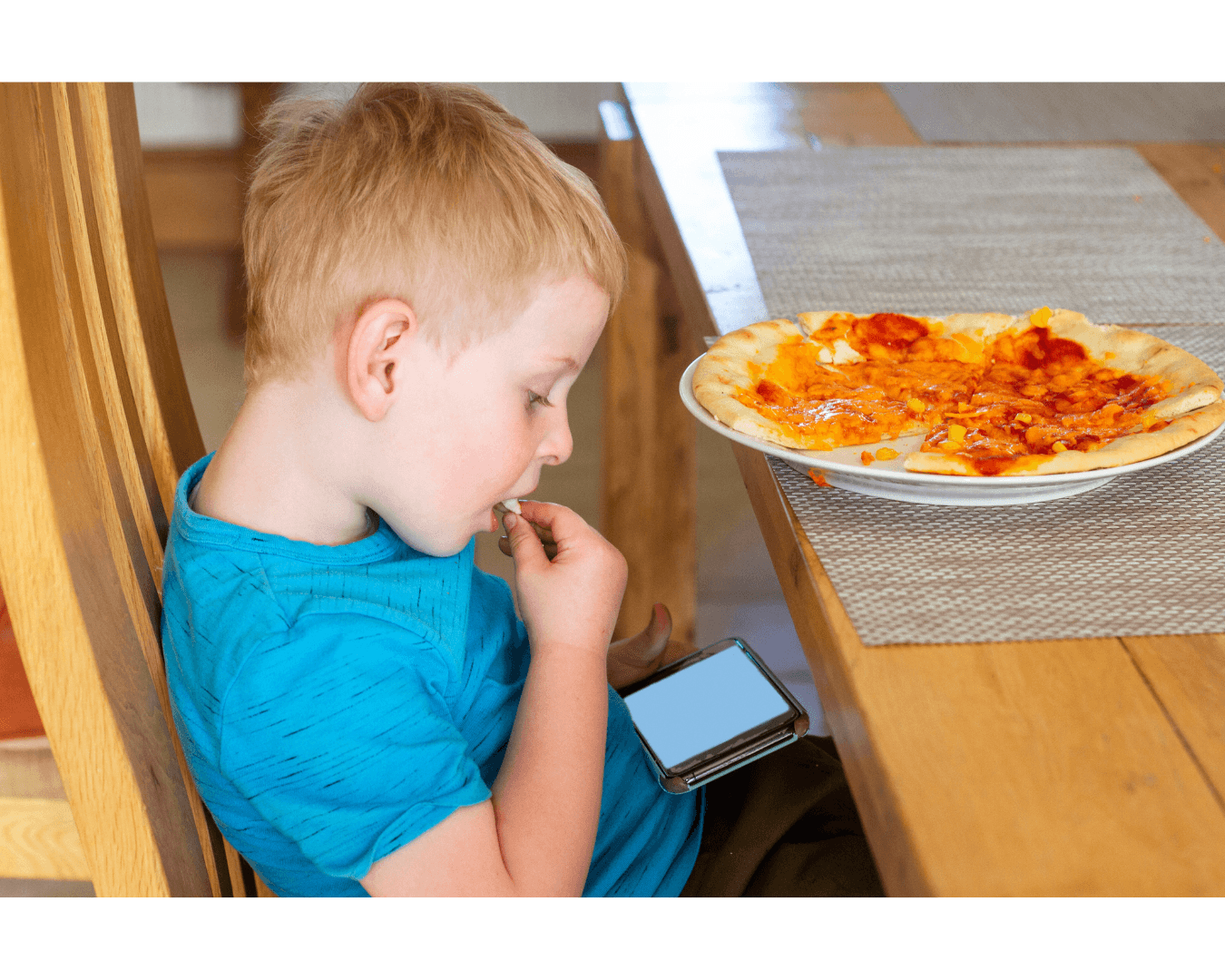
The Wandering Mind: Building Focus in a World Built to Distract
Starting a task is only half the battle, here's how to help kids stay with it once they begin
Sound Familiar?
Your child sat down to do their homework. They opened the notebook, picked up a pencil, even wrote a sentence. And then, three minutes later, they're staring out the window, reorganizing their pencil case, or asking what's for dinner. They started. They just couldn't stay.
This is a different challenge than task initiation, and it deserves its own conversation. Sustained attention is the executive function that allows a child to keep their focus on a task long enough to actually finish it, even when the task is boring, the environment is distracting, or the brain would rather be doing literally anything else.
Why Sustained Attention Is So Hard for So Many Kids
Attention isn't a single switch; it's closer to a muscle with a limited battery. For children with ADHD, that battery drains faster and recharges more slowly, particularly for tasks that aren't inherently interesting. But even neurotypical children are working against a world engineered for short attention spans. Notifications, fast-cut media, and constant background stimulation all train the brain to expect novelty every few seconds. A worksheet cannot compete with that on its own terms, and it shouldn't have to. Our job is to build the muscle, not to out-stimulate the phone.
Why Common Fixes Fall Short
"Just focus" - This assumes attention is a choice rather than a skill with real cognitive limits
Removing all stimulation - Often backfires; under-stimulated brains, especially ADHD brains, may seek stimulation elsewhere
Long, unbroken work blocks - Exceeds most children's genuine attention span and sets them up to fail
Punishing distraction - Treats a capacity gap as a behavior problem
5 Practical Strategies That Build Sustained Attention
1. Work in Bursts, Not Marathons
Use short, timed focus intervals appropriate to your child's age, often 10 to 20 minutes for elementary-age children, followed by a brief, genuine break. This mirrors techniques like the Pomodoro Technique, but the principle predates the name: attention recovers faster with deliberate rest than it does by pushing through.
2. Make the Goal Visible
A child can sustain attention more easily when they can see how much is left. A visible countdown timer, a checklist with items to mark off, or a progress bar style tracker gives the brain a concrete endpoint instead of an open-ended demand.
3. Reduce the Decision Load Around the Task
Every small decision, what to write with, where to sit, what to do next, pulls from the same limited attentional resource as the task itself. Set up the workspace in advance so the only decision left is the work.
4. Build in Movement Breaks, Not Just Rest Breaks
A short burst of physical movement between work intervals, even 60 seconds of jumping jacks or a quick walk, has been shown to improve subsequent attention and on-task behavior, particularly for children with ADHD. Stillness is not the same as focus.
5. Match the Task to the Attention Span, Not the Other Way Around
If a task naturally takes 40 minutes but your child's attention span is 12, break it into three explicit chunks with built-in stopping points. This isn't lowering the bar, it's building a ladder to it.
For Educators: Quick Classroom Adaptations
Break lessons into shorter segments with a clear shift in activity or modality every 10 to 15 minutes
Use visual or auditory cues to signal "we're at the halfway point" during longer tasks
Allow movement-based options, standing desks, fidget tools, brief stretch breaks, without treating them as off-task behavior
Build in short, predictable check-ins rather than waiting for attention to fully drift before re-engaging
The Takeaway
A wandering mind partway through a task isn't defiance, and it isn't a sign that your child doesn't care. It's a signal that the attention battery has run lower than the task demands. With shorter intervals, visible progress, and built-in recovery, that battery gets bigger over time, and so does your child's ability to see a task through.
This week, try splitting one task your child usually struggles to finish into three visible chunks. Notice whether the finish line, made visible, changes how it feels to get there.